← All articles
2 min read
Wedding catering and menu planning: formats, dietary needs and quantities
By the MarryPrep team
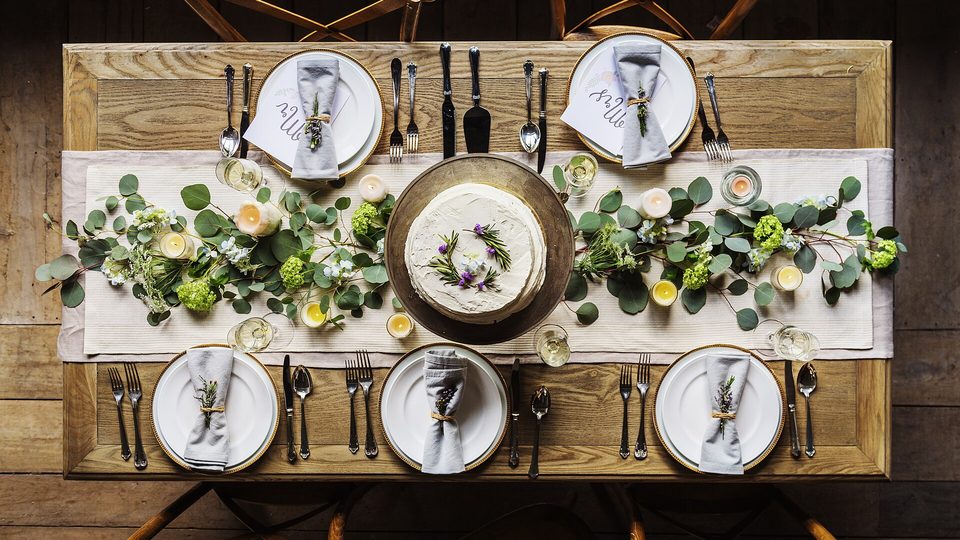
Food and drink are usually the largest single cost of a wedding, and guests remember them for the right and the wrong reasons. Good planning is less about fancy dishes and more about timing, quantities and looking after everyone's needs.
Choose a service format
- Plated dinner: elegant and predictable, but needs more staff and gives guests less choice.
- Buffet: flexible and generous, but queues can slow the evening and food must be kept at temperature.
- Family-style sharing: relaxed and sociable, with larger tables and more space needed.
- Food stations or street food: lively and informal, good for mixed tastes and standing receptions.
Handle dietary needs from the start
Ask about allergies and diets on the reply form, not at the table. Offer a vegetarian option that is a proper dish rather than a side plate, and check separately for common allergens such as nuts, gluten, dairy, eggs, shellfish and sesame. Tell the caterer early, and ask how they prevent cross-contamination.
Estimating quantities
- Plan for the final number of confirmed guests, plus a small margin for suppliers and children.
- For canapés before dinner, count roughly six to eight pieces a person if dinner follows, more if it does not.
- For drinks, plan a welcome drink, wine or beer with dinner, a toast and soft drinks and water throughout.
- Ask the caterer for their usual portions and what is left over.
Before the tasting
- Send the caterer your guest count, budget, dietary list and preferred format.
- Ask for a sample menu in your season, using local produce where possible.
- Attend the tasting hungry, taste everything and take notes on seasoning, temperature and presentation.
- Agree the timing of each course with your day timeline.
A clear brief and an early conversation about allergies let the caterer do their best work, and let you enjoy the meal.