← All articles
2 min read
Wedding music: DJ or live band, and how to plan the playlist
By the MarryPrep team
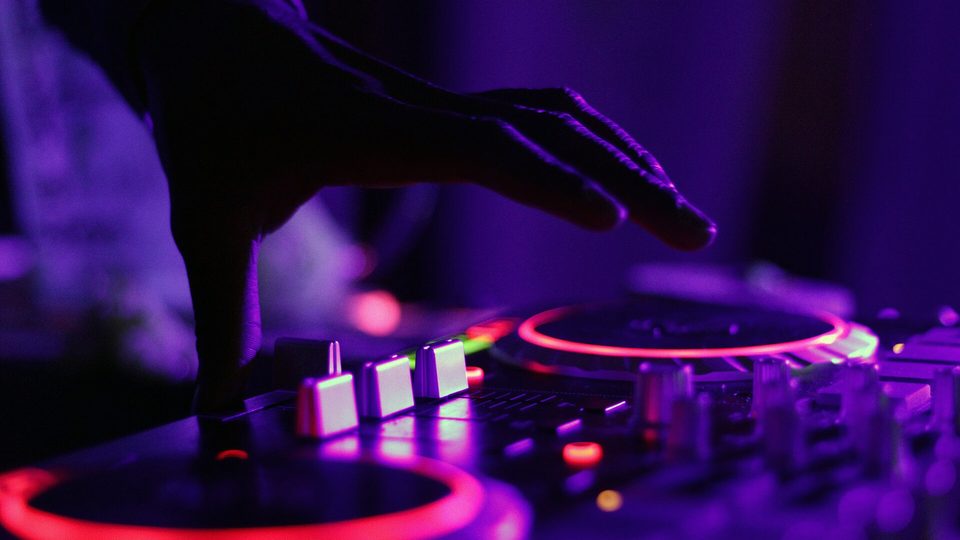
Guests forget the centrepieces, but they remember how the evening felt, and music does most of that work. A little planning decides whether the dance floor fills at nine o'clock or empties at ten.
DJ or live band?
- A DJ plays the original recordings, covers every style and can adapt to the room. It usually costs less and takes less space.
- A live band brings energy and a sense of occasion, but needs a stage, power, sound checks and a bigger budget, and plays a narrower range.
- A hybrid works well too: a DJ for most of the evening and a live musician, such as a violinist or singer, for the ceremony or the first dance.
Questions to ask before you book
- Have you played at this venue, and do you know its sound limits or curfew?
- How long do you play, and what happens if the evening runs late?
- What equipment do you bring, and do you have a backup?
- Can I give you a must-play list and a do-not-play list?
- Will you act as master of ceremonies if I ask, and are you comfortable with announcements?
- Can I speak to a couple whose wedding you played recently?
The moments that need music
- The ceremony: the entrance, the signing and the exit.
- Drinks and dinner: quiet, warm background music.
- The first dance and the dances with parents.
- The party: build gradually and keep the tempo moving.
- The last song, which people remember.
Building a playlist that works
Choose songs that you love, but remember that the dance floor includes your grandparents and your friends. Mix generations, put the best-known songs in the middle of the evening and avoid starting with the slow ones. A short must-play list and a clear do-not-play list is better than writing out every song.
Agree the details in writing: the hours, the equipment, the extra-hour rate and any songs that matter most. Then enjoy the dancing.